The Grey War
2026-10-25. The authority for names and feel: the war, the three PMCs, the seven maps, their landmarks, palettes, soundscapes and the music cues we want. Written for Ben (music, and judging the look), for whoever builds kit and maps, and for the wiki (tools/wiki-build.mjs reads this file). Numbers and rules live in DESIGN.md; where the two disagree on a name or a look, this file wins. Replaces LORE v0.1 (2026-10-13): the setting is the same, v0.1's map list is retired in favour of the seven authored maps in §3. The in-game title is Overclock: Grey War (the lobby says OVERCLOCK); the project is OpenMAG.
Clean-room rules. Everything here is ours. No names from MAG (no Raven, S.V.E.R., Valor, no Shadow War as a proper noun, no MAG map names) and no Battlefield map names. No real nation fights, pays on the record or wears a flag: nations exist only as the anonymous signatories of the Accord. Real places are used as regions and HQ cities, the way a weather report would name them.
Factions

HALCYON Dynamics
“Precision is mercy.”
The rich, quiet, sensor-first force. Compute-rich, light on armour, fast on the trigger: every squad has a model in its ear and sees you before you see it.
VOLKHOV Response Group (VRG)
“Iron doesn't ask.”
The steel-rich, compute-poor brawlers. Heavy armour, heavy rounds, big loud drones; they close the distance, kill the sensors and make it a fight.
MERIDIAN Security Corporation
“Hold the line.”
The regular army. By the book, combined arms, logistics first; nothing special alone, very hard to beat when the trucks arrive.
Maps
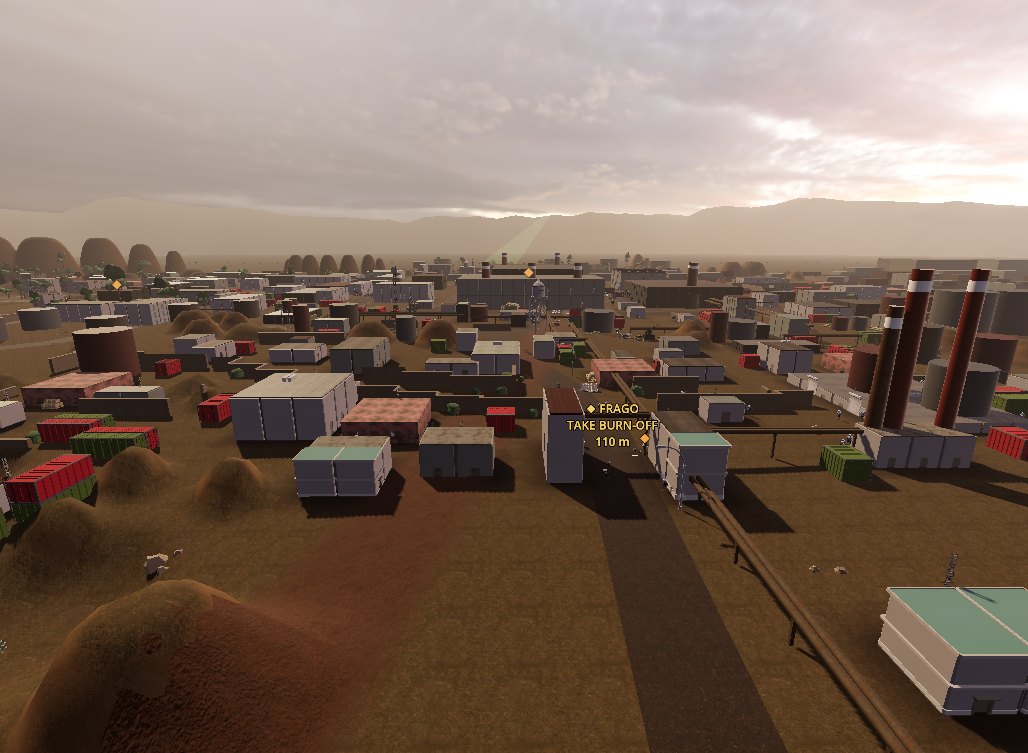
Caspian Refinery
BIG · 256 · Domination
HALCYON holds · VRG attacks
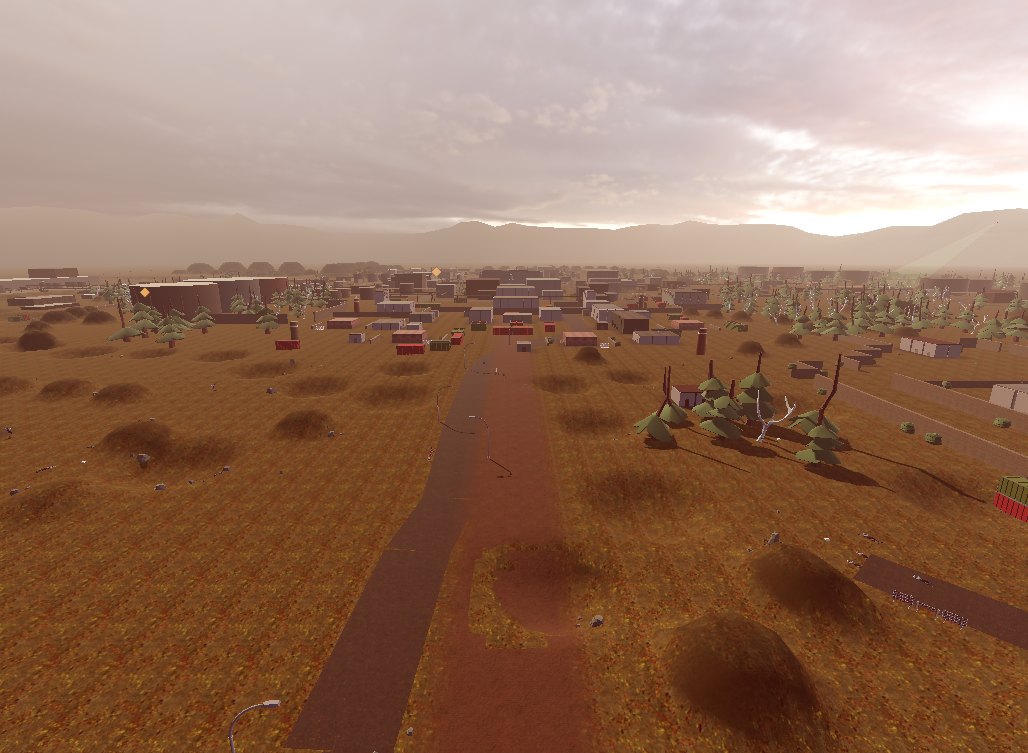
Alyeska Terminus
BIG · 256 · Domination
MERIDIAN holds · VRG attacks
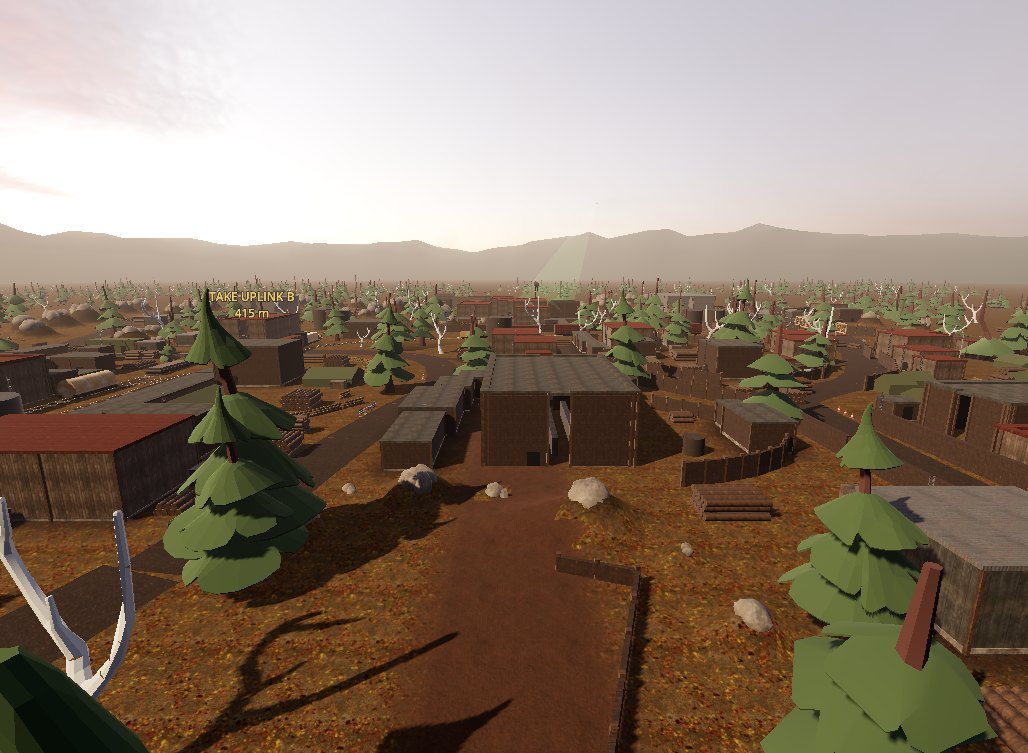
Kennick Rail Yard
SMALL · 64 · Sabotage, Suppression
MERIDIAN holds · VRG attacks
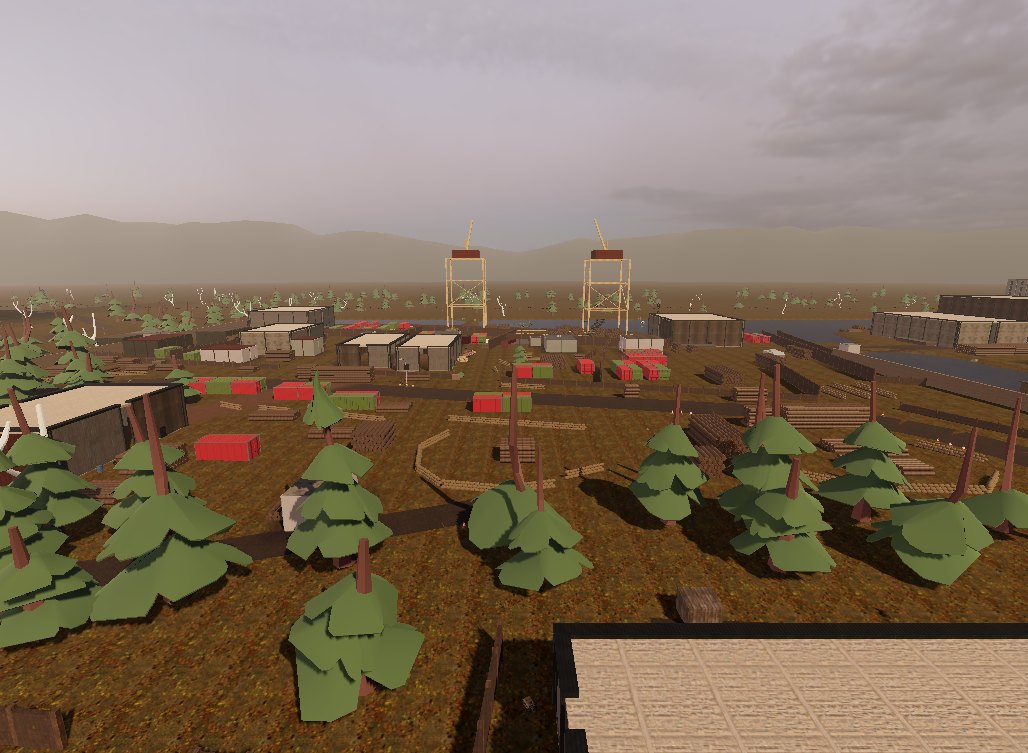
Halden Bay Depot
MEDIUM · 128 · Acquisition
HALCYON holds · VRG attacks
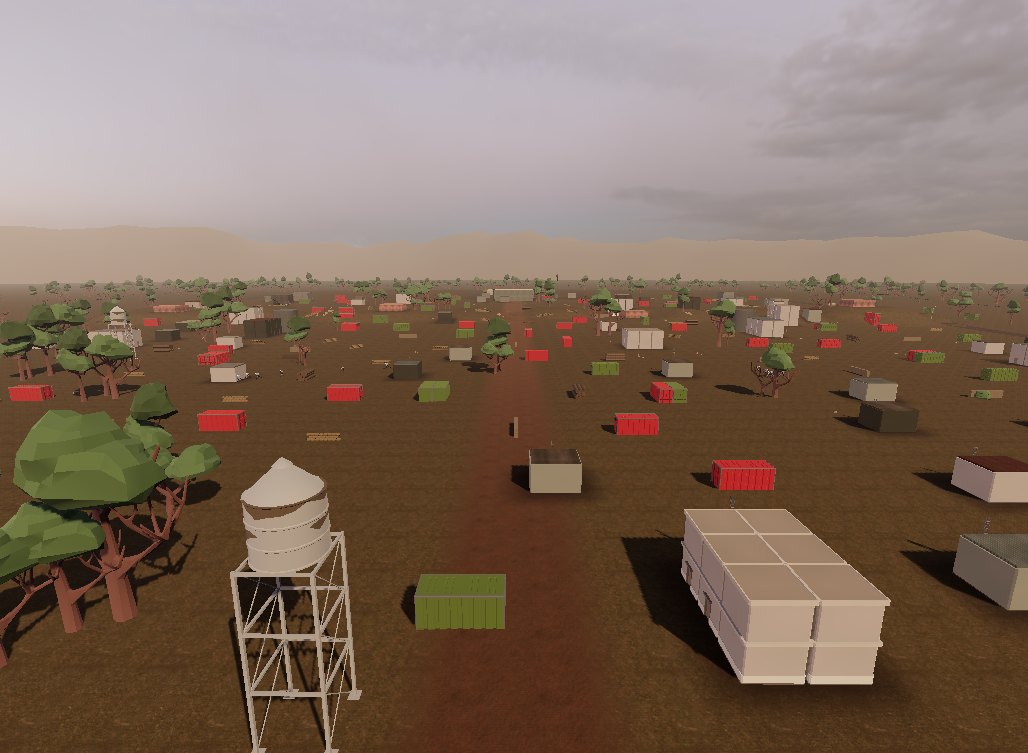
Vesna Crossing
SMALL · 64 · Domination (1 sector)
VRG holds · MERIDIAN attacks
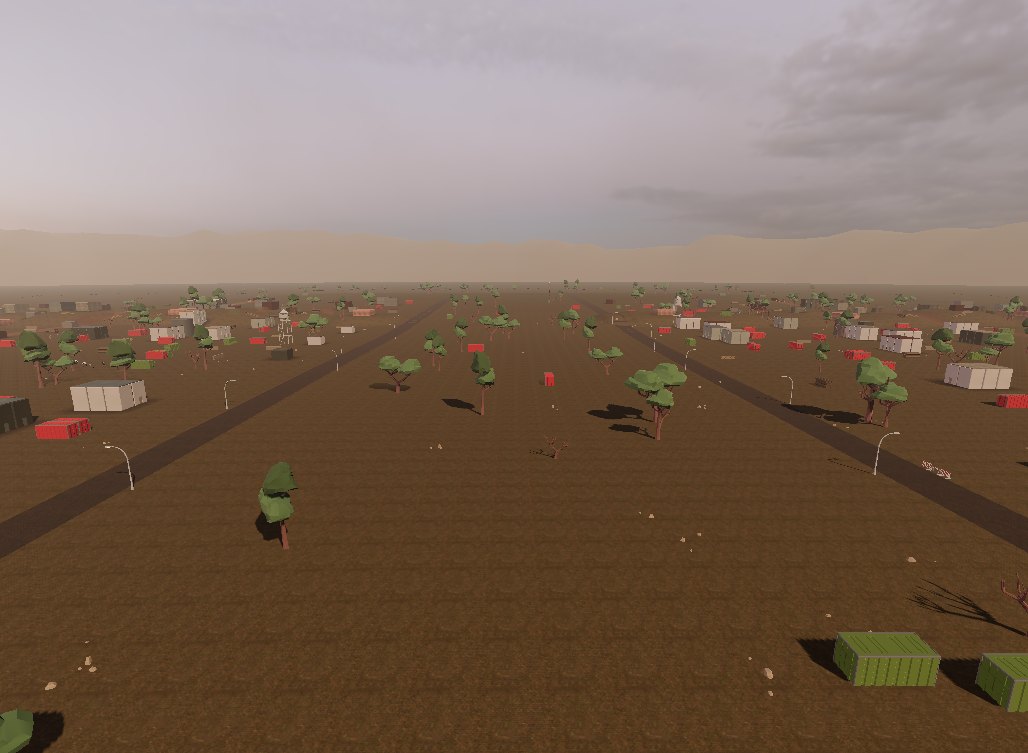
Kolva Ridge
MEDIUM · 128 · Domination (2 sectors)
VRG holds · HALCYON attacks
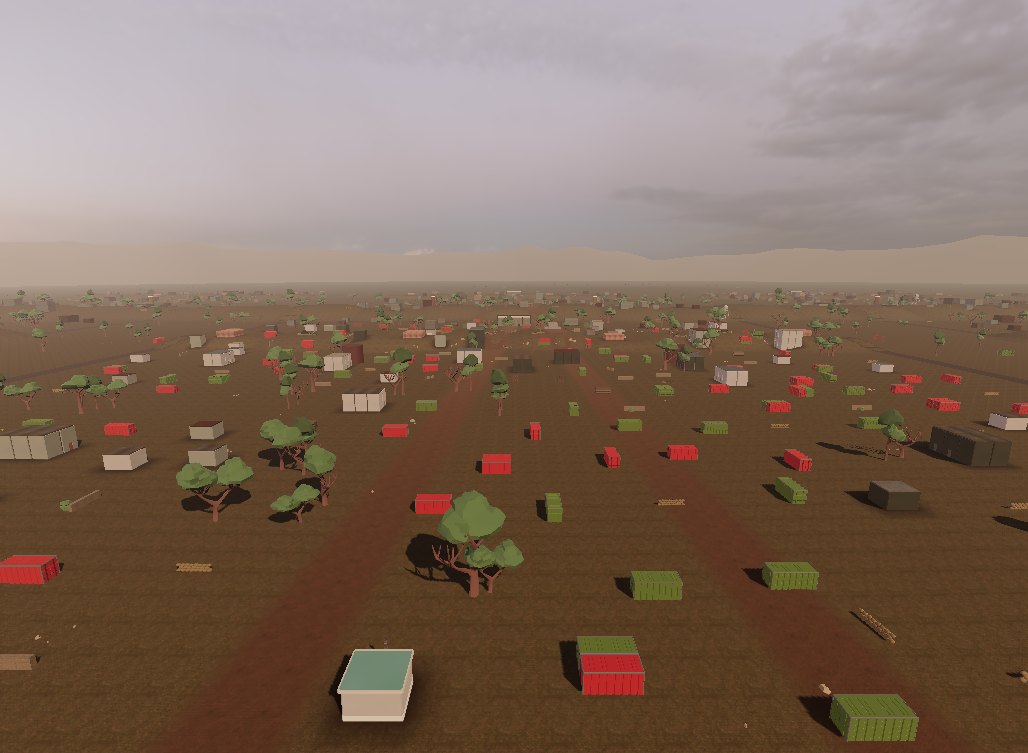
Grey Front
HUGE · 256 · Domination (8 sectors, the war map)
season leader (S1: MERIDIAN) holds · challenger (S1: HALCYON) attacks
Soroka Yard
TINY · 32 · Domination (1 sector, 2 stages)
MERIDIAN holds · VRG attacks
The war
The world, 2034
The 2020s ended badly. The Brownout Years (2027–2030) brought grid failures, a drought decade, two currency collapses and the first autonomous-weapon incidents: drone swarms that nobody admitted to launching. The big blocs came to the edge of a war none of them could pay for.
The Kessler Accord
In 2031 the three blocs signed the Kessler Accord: no nation may deploy armed forces, manned or autonomous, outside its own borders, and standing armies are capped. It is policed by the Watch, a shared satellite constellation run by the Kessler Monitoring Office, and by the plain fact that everyone was broke.
The Accord has one hole, and everyone knew it when they signed. It binds nations. It says nothing about corporations. Within a year the three largest private military corporations were fighting each other in places nobody looks, under contract to the same governments that outlawed war.
What they fight over
This is the Grey War. It is fought off the map, over the three things that run the 2030s:
- Compute: the data centres and the power that feeds them. Whoever has the most inference has the best drones, the best logistics, the best everything.
- Fabrication: the handful of chip fabs that can still make the silicon. You cannot buy it; you take the fab or you take the wafers.
- Autonomy: the drone works, the control cores, the training data. The prototype in the back of the depot is a weapon that flies itself.
Who pays: the Exchange
Nobody signs a contract for a war that is not happening. The money moves through the Tessera Exchange, a sealed contract market run out of a free port by an insurance syndicate. Signatory ministries, sovereign funds and the hyperscale trusts (the consortia that own the big clusters) post contracts there under numbered accounts: secure this fab, deny that data centre, recover these cores. The PMCs bid. The winner takes the contract and posts a bond; if it loses the ground, the bond goes to whoever took it. Pay comes in cash and in compute allocation: hours on the clusters, which is what a PMC really runs on.
Exchange slang the soldiers use:
- Contract: one job on the board. Every match is one contract action.
- Overclock: a surge contract with a hard deadline, run hot. The game is named for it.
- Burn: what happens to a server hall when its cooling is cut. "The hall is burning" means the cluster is being lost (the Domination damage bar).
- Cold start: a site that has just been taken and is booting from nothing.
The shadow-war framing
From outside, nothing happens. The fights are logged as industrial accidents, grid faults, wildfires and chemical leaks. Sites are emptied first under "industrial safety orders", which is why every map is a deserted plant, port or village with the washing still on the line. The rules every PMC keeps, because breaking them ends the Exchange:
- No flags, no national insignia, no national ranks. Kit carries company stencils and nothing else.
- No fighting outside a declared exclusion zone. No civilians on the ground.
- Contractors sign no-repatriation clauses; the dead are company business.
- The Watch looks for national forces, not corporate ones. Nobody shoots at the Watch.
Timeline
| Year | What happened |
|---|---|
| 2027–2030 | The Brownout Years: grid failures, drought, two currency collapses, the first deniable drone swarms. |
| 2031 | The Kessler Accord. The Watch goes up. |
| 2032 | The Tessera Exchange posts its first contracts. HALCYON buys an army, VRG re-flags one, MERIDIAN spins one out. |
| 2033 | Season 0: the opening raids. HALCYON takes the Caspian refinery's pump house and puts a server hall in it. |
| 2034 | Season 1: Cold Start, the game's present. Seven theatres are open on the board (§3). |
Seasons
The Accord is reviewed every year; every quarter the blocs re-issue contracts. That is a season: standings reset, the map of who holds what redraws, and the story advances (a fab goes dark, a new data centre comes online: a new map). Personal history (medals, veteran insignia) carries over; faction power does not. The clocks are in DESIGN.md §11: daily contracts, weekly theatre bonuses, the monthly war on the big map.
How the war maps onto the game
| Game system | In the Grey War |
|---|---|
| Contracts, the war screen | Exchange contracts. The winner holds the ground until the next contract cycle. |
| Domination: burn-off → cooling → lettered → damage bar | Take the burn-off towers (the flare and vent stacks: the site can no longer dump heat), then the cooling towers (the chiller plants: the hall starts to cook), then hold the lettered halls while the cluster burns. The damage bar is the burn. |
| Sabotage: uplinks A and B, then C | Two relay uplinks, then the training cluster, the building where the enemy's models learn. Blow it and a season of training is ash. |
| Acquisition: hack, escort, extract | Steal a prototype autonomous vehicle and its control core, and drive it out. |
| Suppression | A clearance contract: the Exchange pays per head to empty a zone before a bigger job. No ground changes hands. |
| AAA / mortar battery / sensor array | Counter-drone battery (blocks air insertion and drone strikes), loitering-munition launcher (artillery), sensor mast (the UAV sweep). Destroy them to cut the enemy's command. |
| Leader powers | Drone support by rank: squad leaders call a loitering munition, platoon leaders a recon swarm and a precision strike, the OIC the company's heavy drone wing. Drones are called, never flown: the sky stays readable. |
| Home camo | Each PMC's kit matches its own home ground; defending at home is a visual advantage. |
| Veteran mode | A soldier at the cap re-ups with another PMC. The Grey War pays whoever shows up. |
Naming rules
- New names come from the setting: industry, weather, northern and steppe geography, birds and metal. Never from MAG (factions, maps, terms like Shadow War as a proper noun) or from Battlefield maps.
- No real nation as a combatant, payer or flag. Real regions and cities are fine as places.
- PMC names are written in caps (HALCYON, VRG, MERIDIAN); maps in title case; cues as
PMC-ROLE "Title"orMAP-<seed> "Title". - Names in this file win. Change a name here first, then in code (
authored.rs,main.gdMAP_NAMES, the lobby), then rebuild the wiki (node tools/wiki-build.mjs).
Source: LORE.md (the authority for names and feel; numbers and rules live in DESIGN.md).